Kenyan teachers have several important employment and career developments to watch as the government implements the 2026/2027 financial year budget. Funding provisions cover teacher salaries, the conversion of interns to permanent and pensionable (P&P) terms, recruitment, career progression and implementation of the Collective Bargaining Agreement (CBA).
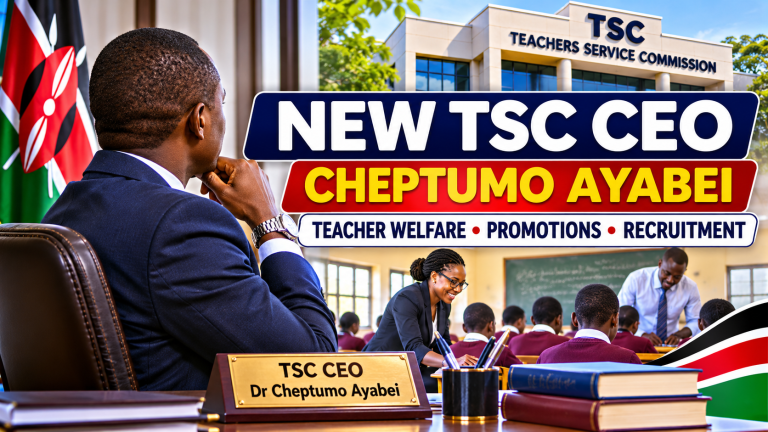
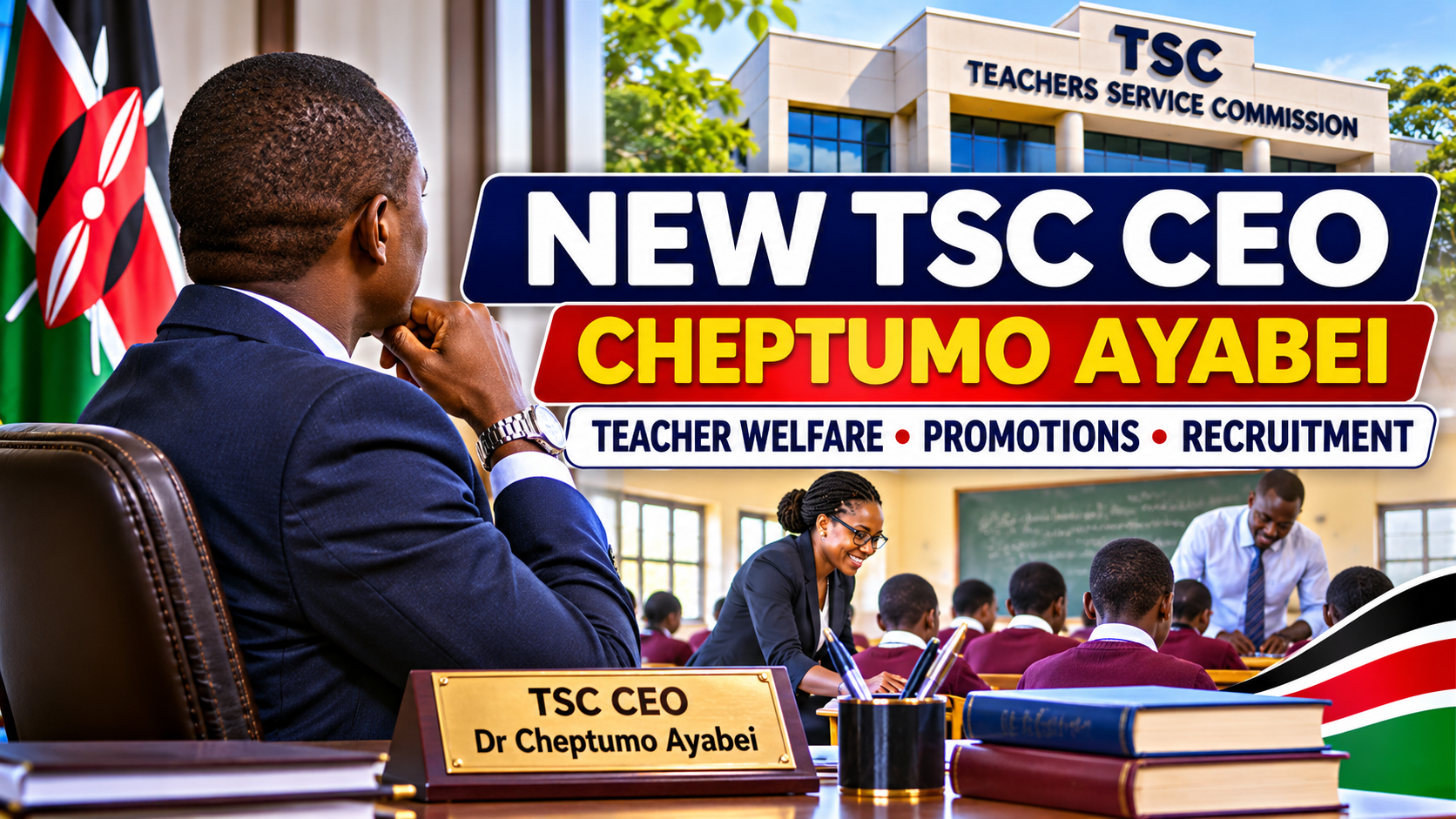
The budget also comes at a significant leadership moment for the Teachers Service Commission (TSC), following the appointment of Dr Cheptumo Ayabei as the new TSC Chief Executive Officer.
But what exactly does the 2026/2027 budget mean for teachers? Will intern teachers finally secure permanent employment? Will more teachers receive promotion letters? And what should teachers expect regarding salary increments?
This article examines the budget allocations, employment commitments and potential implications for teachers across Kenya.
1. TSC Budget 2026/2027: How Much Has Been Allocated?
During the presentation of the 2026/2027 national budget on June 11, 2026, National Treasury Cabinet Secretary John Mbadi proposed approximately KSh 424.3 billion for the Teachers Service Commission.
The allocation was intended to support teachers’ salaries, employment-related expenditure and other commission operations.
Education received KSh 784.5 billion in the proposed budget, making it one of the largest areas of government expenditure.
The proposed allocation to TSC represented a significant commitment to maintaining the country’s teaching workforce and supporting the implementation of education reforms.
It is important to distinguish the proposed budget from the final approved appropriation. Parliament subsequently reported an allocation of KSh 406.6 billion towards TSC salaries and insurance in the 2026/2027 financial year.
These figures refer to different stages and presentations of the budget and should not be treated as interchangeable.
2. Twenty Thousand Teacher Interns Set for Permanent Employment
One of the most significant provisions for teachers is the allocation of KSh 4.9 billion towards the conversion of 20,000 intern teachers to permanent and pensionable terms.
According to the 2026/2027 Budget Statement, the conversion is scheduled to take effect from January 1, 2027.
This development is particularly important for teachers who have served under internship arrangements and have been seeking more secure employment.
Permanent and pensionable employment offers several advantages, including:
- Greater employment security.
- Access to structured salary scales.
- Eligibility for applicable pension arrangements.
- Access to employment benefits under the relevant TSC regulations.
- Improved opportunities for career progression.
The conversion programme is expected to address some of the concerns raised by teachers working under internship arrangements.
However, individual appointments will still depend on the official TSC conversion and deployment process.
What about the remaining 24,000 interns?
The budget statement also provided for the newly recruited 24,000 intern teachers to be converted to permanent and pensionable terms from July 2027.
An allocation of KSh 8.2 billion was proposed for the intern teacher programme to support staffing requirements.
This means that the government has outlined a phased approach to addressing the employment status of teachers recruited under the internship programme.
For affected teachers, the implementation of these commitments will be an important development to monitor throughout 2027.
3. Teacher Recruitment: Will TSC Employ More Teachers?
Teacher shortages remain an important issue in Kenyan schools, particularly with the continued implementation of Competency-Based Education (CBE) and the transition to senior school.
The increased demand for teachers is influenced by:
- Expansion of junior and senior school.
- Growing learner enrolment.
- Introduction of additional learning areas and subject combinations.
- Increased demand for STEM teachers.
- Replacement of teachers exiting service through retirement and other forms of attrition.
The 2026/2027 budget provisions for teacher employment and internship programmes are intended to strengthen staffing levels.
The recruitment and absorption of teachers will be particularly important as schools prepare for the demands of the new senior school structure.
Teachers should continue monitoring official TSC vacancy announcements, recruitment guidelines and deployment notices.
It is important to note that a budget allocation does not automatically mean that every school with a shortage will immediately receive additional teachers. Recruitment depends on approved vacancies, available resources and the commission’s staffing priorities.
4. TSC Promotions: KSh 2 Billion Allocation
Teacher promotion remains one of the most closely followed issues within the Kenyan teaching profession.
Many teachers have expressed concerns about career stagnation, limited promotion opportunities and the competitiveness of advertised vacancies.
The government has allocated KSh 2 billion towards teacher promotions, according to a Kenya News Agency report published in July 2026.
The funding is expected to support promotion opportunities across different teacher grades.
Promotions are important because they provide teachers with opportunities to advance professionally and improve their earnings.
The promotion process also raises questions about the implementation of revised Career Progression Guidelines (CPGs).
Teachers have continued to call for a fairer system that recognises:
- Academic qualifications.
- Teaching experience.
- Professional development.
- Performance and contribution to learner outcomes.
- Leadership and other professional responsibilities.
The implementation of transparent promotion procedures will be important in ensuring that available funding translates into meaningful career opportunities.
Teachers should also distinguish between a budget allocation for promotions and an actual promotion appointment. A promotion is only confirmed through the relevant TSC process and official communication.
5. Salary Increments: Implementation of the 2025–2029 CBA
Another important development is the implementation of the second phase of the 2025–2029 Collective Bargaining Agreement.
The government allocated KSh 8.4 billion towards the second phase of the salary review.
The revised salary structure was implemented in July 2026, following negotiations involving TSC and teachers’ unions.
The unions involved include:
- Kenya National Union of Teachers (KNUT).
- Kenya Union of Post Primary Education Teachers (KUPPET).
- Kenya Union of Special Needs Education Teachers (KUSNET).
The salary review is intended to improve teachers’ remuneration in accordance with the agreed CBA implementation schedule.
For teachers, salary increments are particularly important because they affect monthly earnings and overall employment benefits.
However, teachers should remember that salary progression is determined by the applicable job group, salary point and employment terms.
The KSh 8.4 billion provision should therefore not be interpreted as an equal cash bonus payable to every teacher.
6. New TSC CEO Dr Cheptumo Ayabei Takes Office
The implementation of these commitments comes as TSC enters a new leadership chapter.
Dr Cheptumo Ayabei officially assumed office as TSC Secretary and Chief Executive Officer on November 20, 2026.
His appointment comes at a time when teachers are expecting improvements in several areas, including:
- Fair and transparent promotions.
- Improved teacher welfare.
- Recruitment and staffing.
- Career progression.
- Professional development.
- Efficient management of teacher services.
In his inaugural remarks, Ayabei pledged fairness, professionalism and support for teachers.
He also emphasised accountability, consultation and the importance of putting learners’ interests at the centre of the commission’s decisions.
His administration will be expected to oversee the implementation of existing employment commitments while addressing the concerns of teachers and other stakeholders.
The key question for teachers is how these commitments will translate into practical improvements in their professional lives.
7. Revised Career Progression Guidelines: What Teachers Expect
Career progression remains a major concern among teachers, especially those who have served for many years without securing promotion.
The existing career progression framework has faced criticism over the relationship between promotion opportunities, administrative responsibilities and professional advancement.
Teachers have called for a framework that recognises classroom teaching as a valuable career pathway.
A transparent progression system should provide opportunities for teachers to advance without necessarily leaving classroom practice for administrative positions.
The revised guidelines are expected to be an important issue for the new TSC leadership.
Teachers will be watching how the commission addresses promotion criteria, professional performance, experience and opportunities across different grades.
8. What Does the 2026/2027 Budget Mean for Kenyan Teachers?
The budget provisions have implications for different categories of teachers.
| Category of teachers | Important development |
|---|---|
| Junior school interns | Planned conversion of 20,000 to P&P from January 2027 |
| Newly recruited interns | Further conversion programme proposed for July 2027 |
| Unemployed trained teachers | Recruitment and staffing provisions remain important |
| Teachers awaiting promotion | KSh 2 billion promotion allocation |
| Serving teachers | Implementation of the 2025–2029 CBA salary review |
| Teachers approaching retirement | Continued importance of pension and employment administration |
| Classroom teachers | Expected attention to career progression and professional development |
The overall impact will depend on the implementation of the budget, availability of funds and TSC administrative decisions.
9. What Teachers Should Watch in 2027
The following developments will be particularly important:
January 2027: Implementation of the planned conversion of 20,000 intern teachers to permanent and pensionable terms.
Throughout 2027: Further teacher recruitment and staffing interventions.
July 2027: The proposed conversion of the additional 24,000 intern teachers to permanent and pensionable employment.
Promotion exercises: Implementation of funded promotion opportunities and communication of successful applicants.
Career progression: Further developments concerning the revised Career Progression Guidelines.
CBA implementation: Continued implementation of the 2025–2029 salary agreement.
Teachers should rely on official TSC announcements and government communications when checking individual eligibility, appointment dates and employment changes.
10. Is This a New Dawn for Kenyan Teachers?
The 2026/2027 budget contains several provisions that could influence the future of teaching in Kenya.
The planned conversion of 20,000 interns, further employment provisions for 24,000 interns, promotion funding and CBA implementation are important developments.
However, teachers will ultimately judge these commitments by their implementation.
For an intern teacher, the priority is receiving a permanent appointment. For a teacher who has remained in the same grade for years, it is an opportunity for career progression. For a serving teacher, it is fair remuneration, better working conditions and professional recognition.
The new TSC leadership also has an opportunity to strengthen transparency, accountability and confidence in the commission’s employment processes.
The coming months will therefore be important for the teaching profession.
A larger budget is significant, but its real value will be measured by the improvements teachers experience in their schools, salaries, career opportunities and employment security.
Frequently Asked Questions (FAQs)
1. How much was allocated to TSC in the 2026/2027 budget?
The National Treasury proposed approximately KSh 424.3 billion for TSC. Parliament subsequently reported KSh 406.6 billion for TSC salaries and insurance in the approved 2026/2027 budget.
2. How many intern teachers are expected to be converted to permanent employment?
The budget provides for 20,000 intern teachers to be converted from January 2027. A further 24,000 newly recruited interns were included in the proposed conversion programme for July 2027.
3. How much was allocated for the conversion of 20,000 interns?
The proposed allocation was KSh 4.9 billion.
4. How much was allocated for teacher promotions?
KSh 2 billion was reported as allocated towards teacher promotions in 2026.
5. Was money allocated for teacher salary increments?
Yes. KSh 8.4 billion was allocated towards the second phase of the 2025–2029 CBA salary review.
6. Who is the new TSC CEO?
Dr Cheptumo Ayabei officially assumed office as TSC Secretary and CEO on November 20, 2026.
7. Does the budget guarantee promotion for every teacher?
No. A promotion allocation supports the exercise but does not guarantee promotion for every serving teacher. Appointments depend on eligibility, available vacancies and TSC procedures.
Conclusion
Kenyan teachers are entering an important period of employment and career developments. The 2026/2027 budget has provided resources for intern conversion, teacher remuneration, promotions and staffing interventions.
The responsibility now lies with the relevant government institutions and the Teachers Service Commission to ensure that the commitments are implemented transparently and efficiently.
For teachers, the expectation is clear: better employment security, fair promotions, improved welfare and recognition of the essential role they play in national development.
About the Author

Related posts:
Complete Guide to School Safety Requirements in Kenya: Compliance Manual for Principals, BOMs, and E...

CBE PATHWAY-SPECIFIC COMPETENCY-BASED ASSESSMENT

Why More Than Half of Kenya's First Senior School Learners Chose STEM and What It Means for the Futu...

2027 Grade 10 School Fees in Kenya: Full C1, C2, C3 and C4 Senior School Fees Structure, Capitation ...